From Hutong Pamphlet to Leading Publication
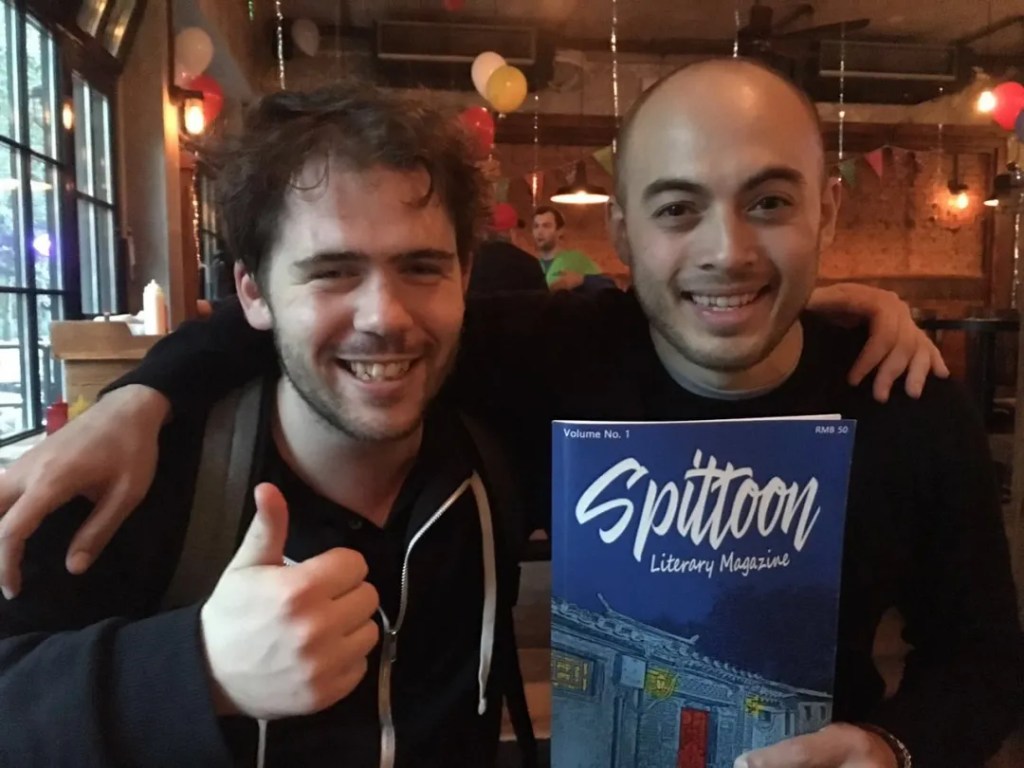
Spittoon Literary Magazine has come a long way since launching its first issue in 2016 at Ballhouse Bar, sandwiched between the Drum and Bell towers. What began as a way to collect the wonderful literature being read at Spittoon events — with translation being only a part of its focus — grew into one of the world’s leading publications of Chinese literature in English translation. Here is the story of how it got there.
Issue 1 — 2016
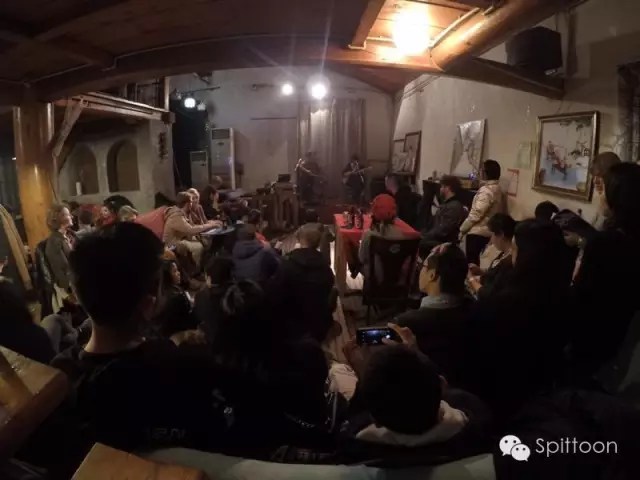
The first issue launched at Ballhouse Bar between the Drum and Bell towers. In the beginning the magazine was a way to collect the literature being read at Spittoon events, with translation forming only part of its focus. It featured the best English-language writers in China alongside literature in translation by several prominent Chinese authors.
Issue 2 — 798 Art District
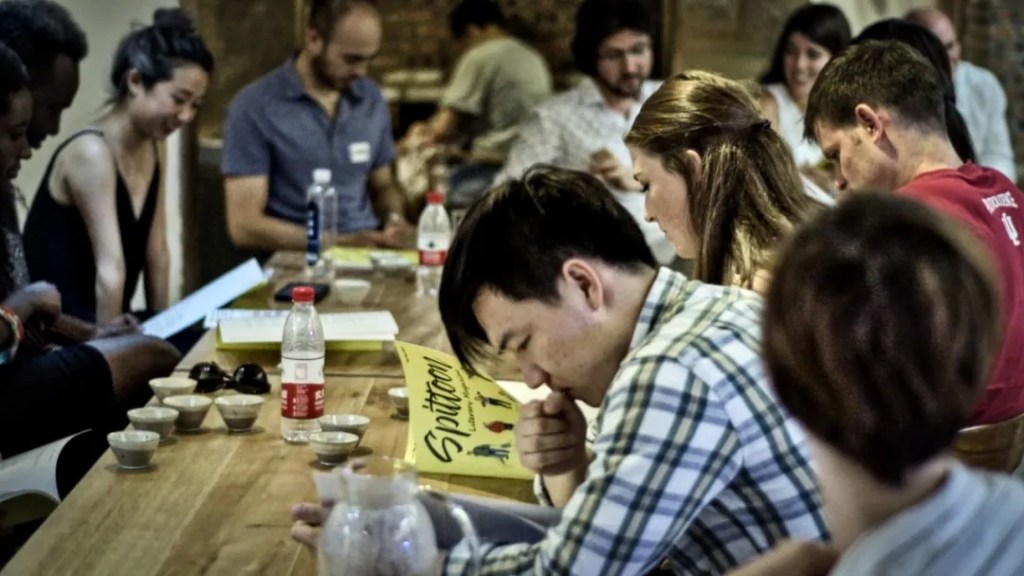
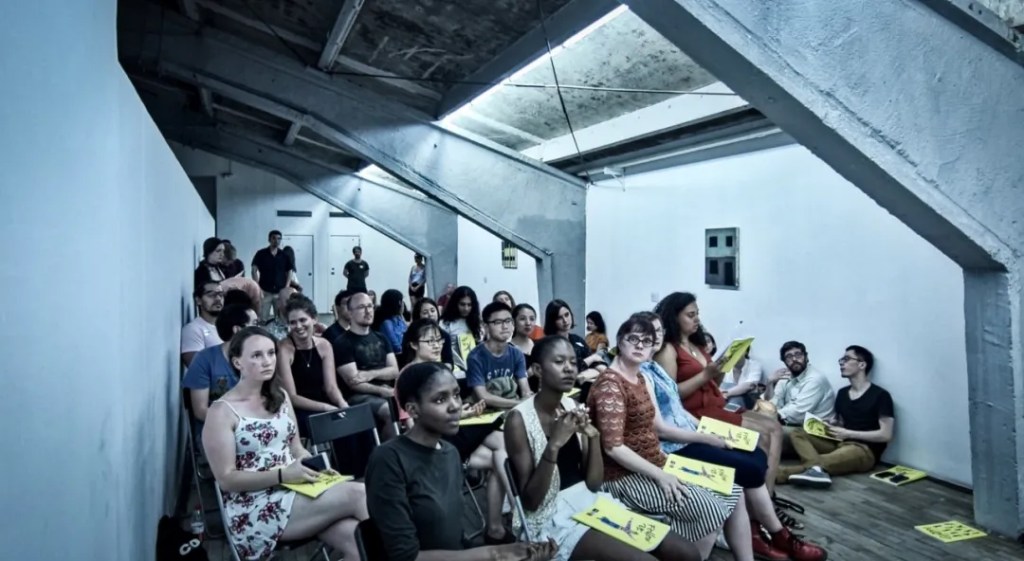
By the second issue, launched at a party spanning various galleries at 798, Spittoon Literary Magazine had become a staple among the expat community in Beijing. Propelled by the success of Spittoon’s other initiatives, it continued to feature the best English-language writers in China alongside literature in translation by several prominent Chinese authors.
Issue 3
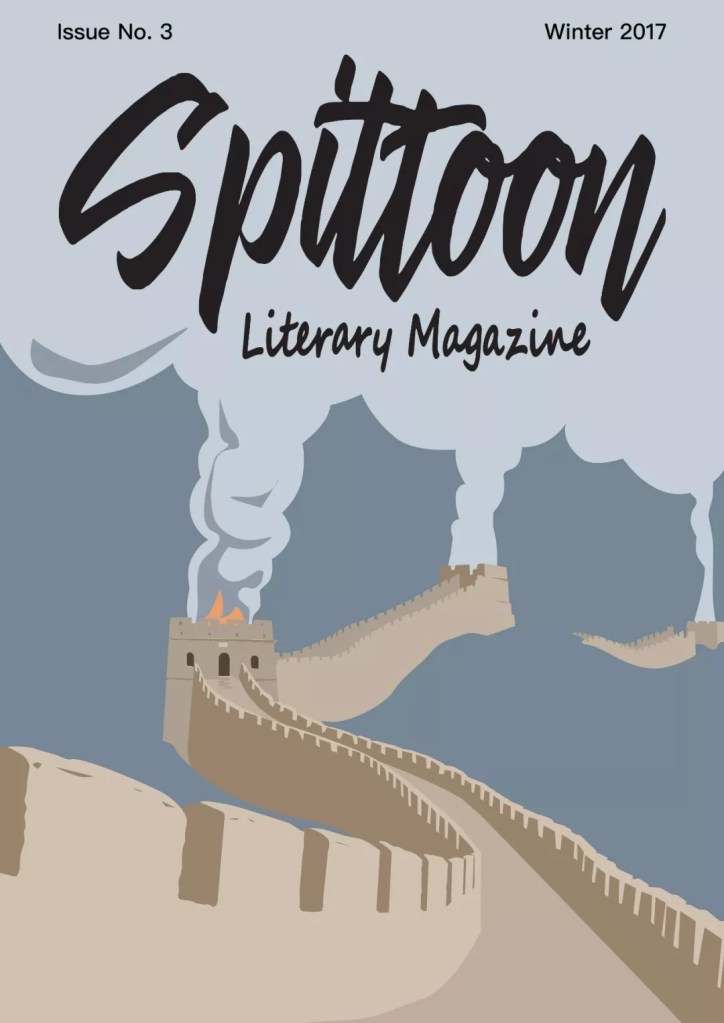
Following the success of Issue 2, Spittoon experimented with different kinds of writing and art. The issue proved popular and featured some genre-bending writing — but the team felt something was still missing.
Issue 4 — The Pivot
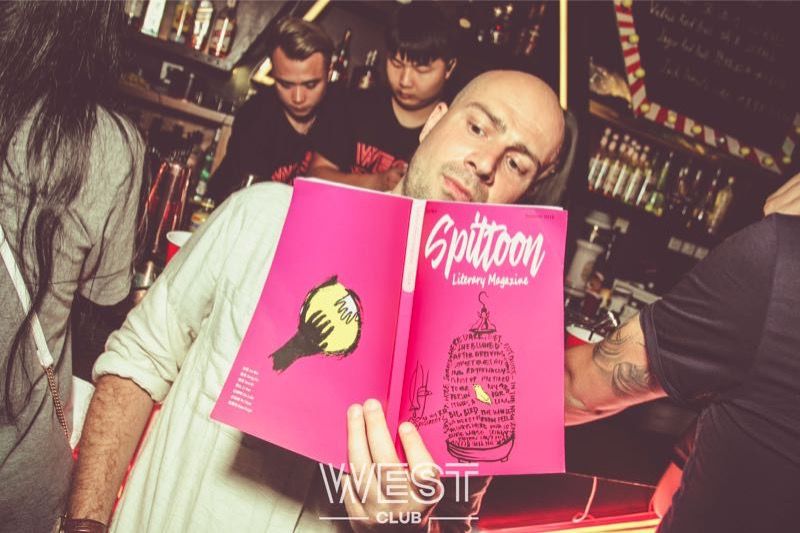
Change is never easy, but after Issue 3 Spittoon decided the magazine’s mission had to be clearer and more meaningful. This prompted the pivot to publishing only Chinese literature in translation. Spittoon felt it was in a unique position to foster relationships with Chinese writers and translate their work into English — not only for expats in China, but for the world. Many of the writers in Issue 4 had never been translated into English before.
Issue 5
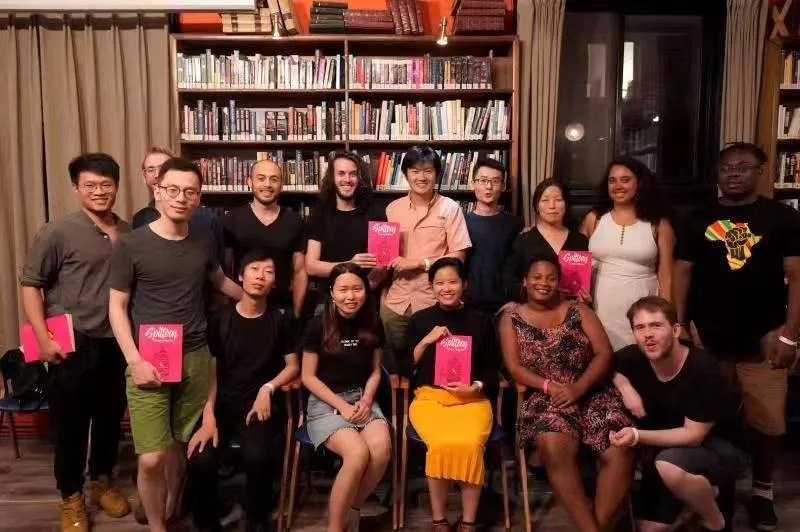
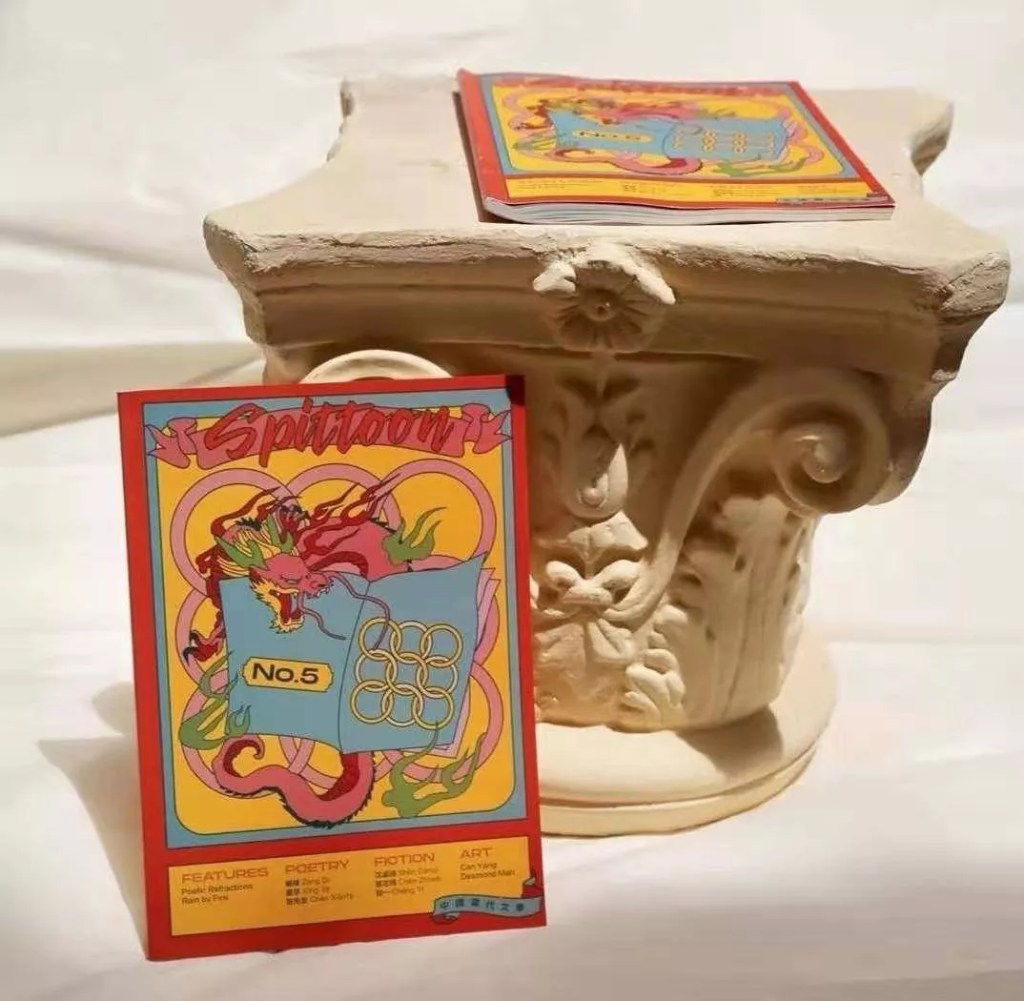
Issue 5 marked a defining moment. With funds generated, Spittoon could finally afford professional art direction and printing. The translation process had been iterated and developed to get the best from the translation team. Readers around the world were beginning to notice the small team of dedicated editors and translators bringing Chinese writing to a global stage. This issue featured literary giants like Zang Di alongside lesser known talents like Xing Ya.
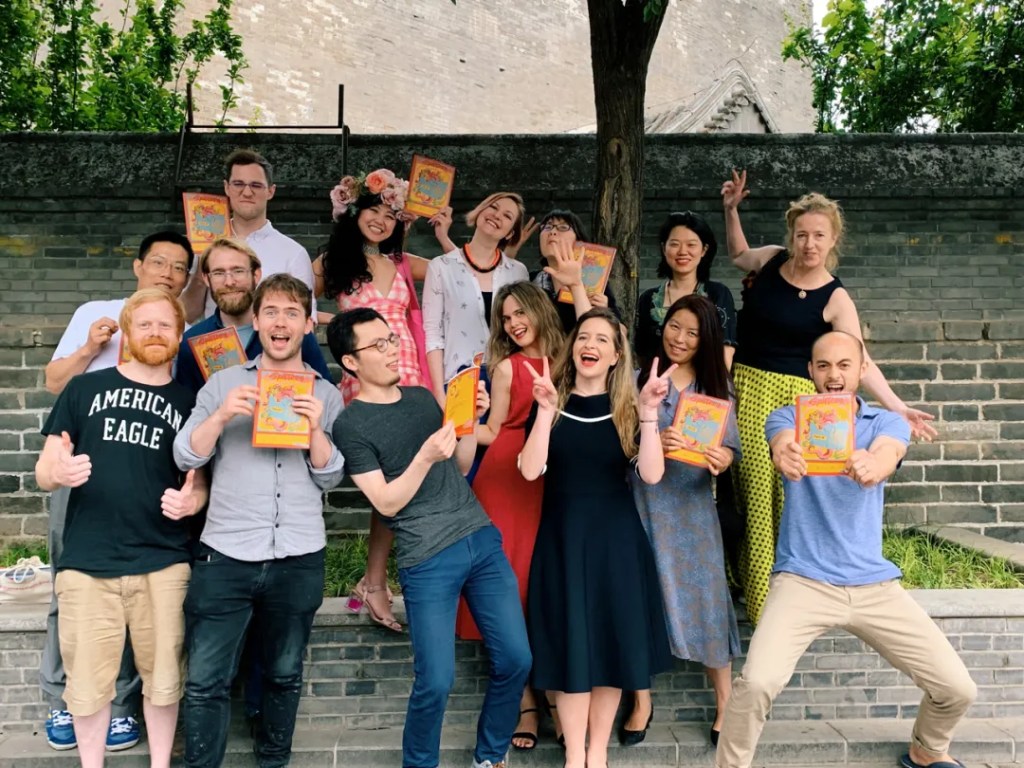
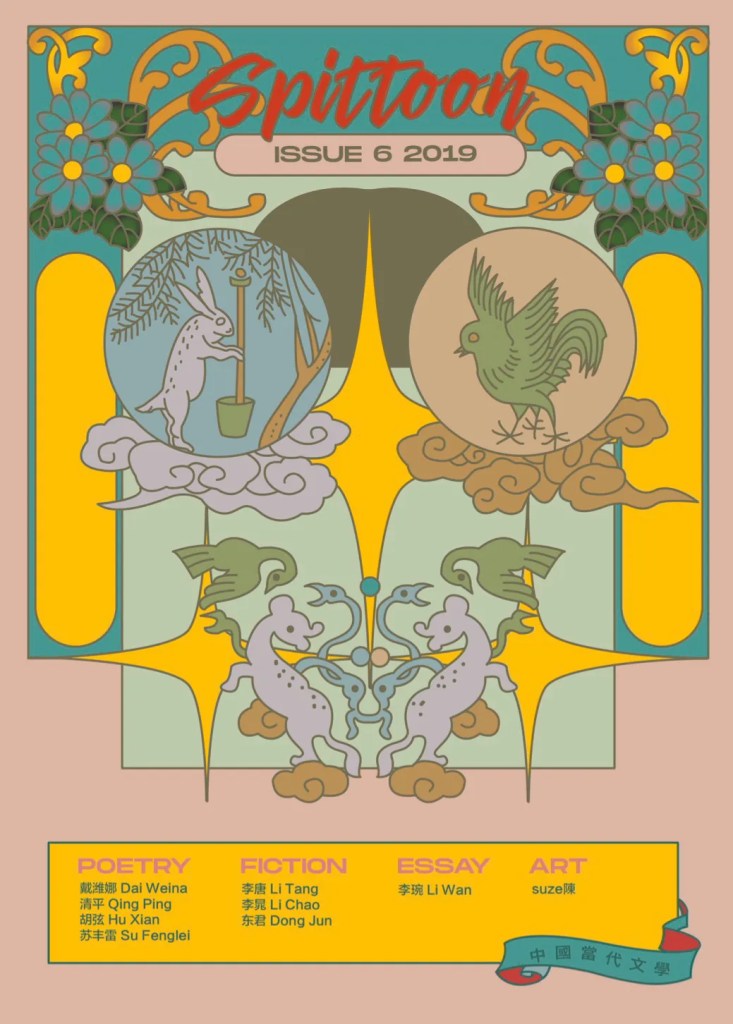
Issue 6
Issue 6 was produced full of momentum. Writers like Hu Xian, Dai Weina, and Li Tang graced its pages — a country full of talent largely untranslated, a skilled team of translators, and passionate editors.
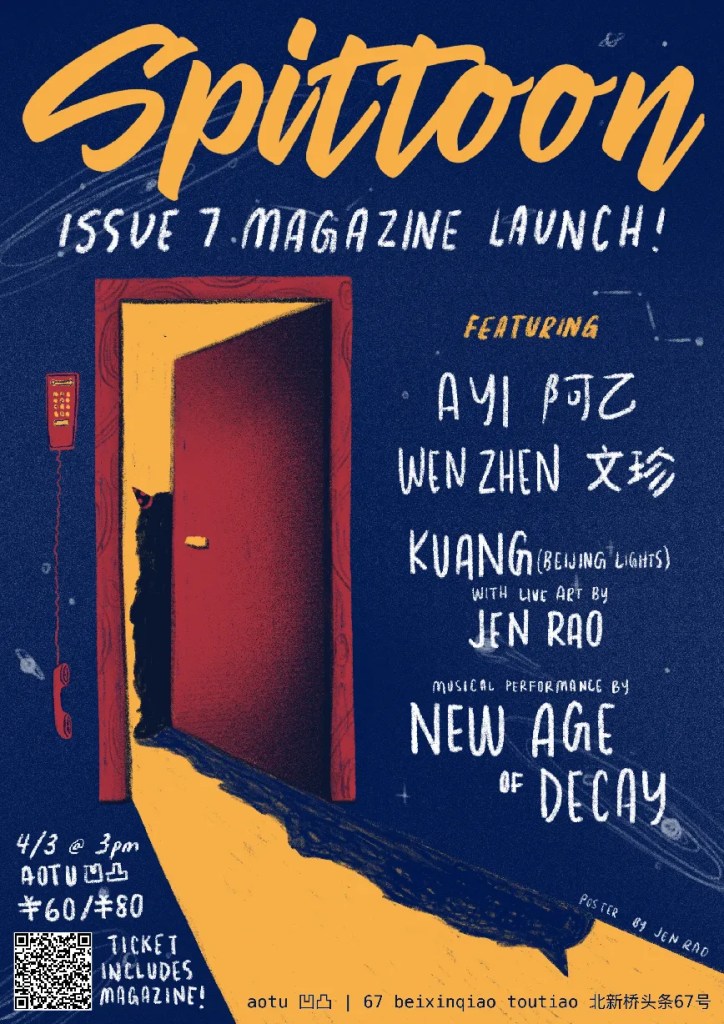
Issue 7 — Aotu Space, April 2021
Issue 7 launched on April 3rd, 2021 at Aotu Space. Born and raised in Beijing, the magazine by this point represented the best of what Spittoon had to offer — a publication that had grown from an obscure hutong pamphlet into a serious international platform for Chinese literature in English translation.
Originally published March 2021 on the Spittoon WeChat channel.


Leave a comment