An Englishman in Beijing
Coming from a literature background, Matthew Byrne spent six years in Beijing working as an English teacher. But besides his day job, Matthew was also a poet and the founder of an international literary community called Spittoon.
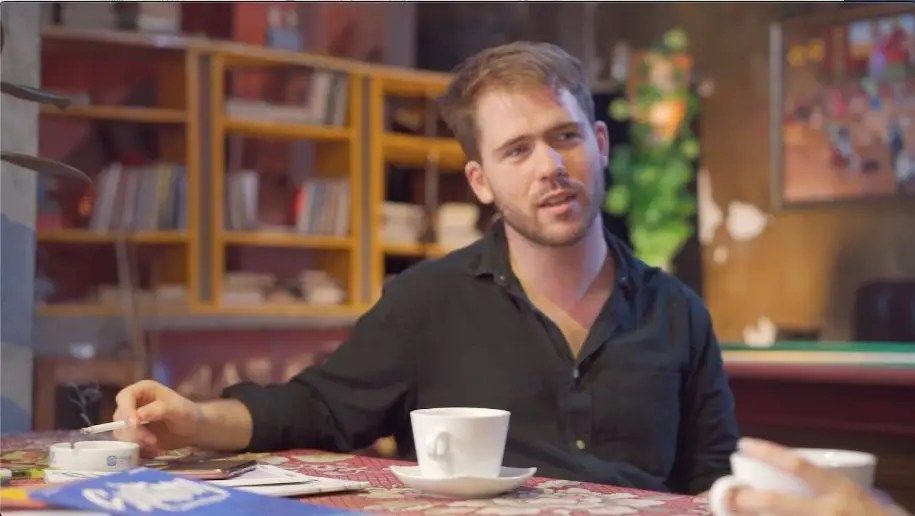
On Poetry
“When I was seventeen years old, I started to write poetry that was much more interesting to me. At the time, I didn’t really like my experience in college. I was bored and sometimes I’d get into trouble, so poetry became like an outlet for me. It just feels very organic and natural.”
“My journey with writing poetry happened when I did a masters course in creative writing. The first workshop was devastating. But it was a very constructive experience by the end of that course. What I found myself doing was using language a lot more sparingly. Everything that I was trying to put on the page had to make sense or had to work for me. It became more of a fight — accessing the imagery that is unique to me.”
“The poetry I’m writing now as a thirty-one-year-old man compared to a seventeen-year-old person — very different. A lot more considered. Before, it felt a lot more explosive and exploratory.”
On Who Can Write Poetry
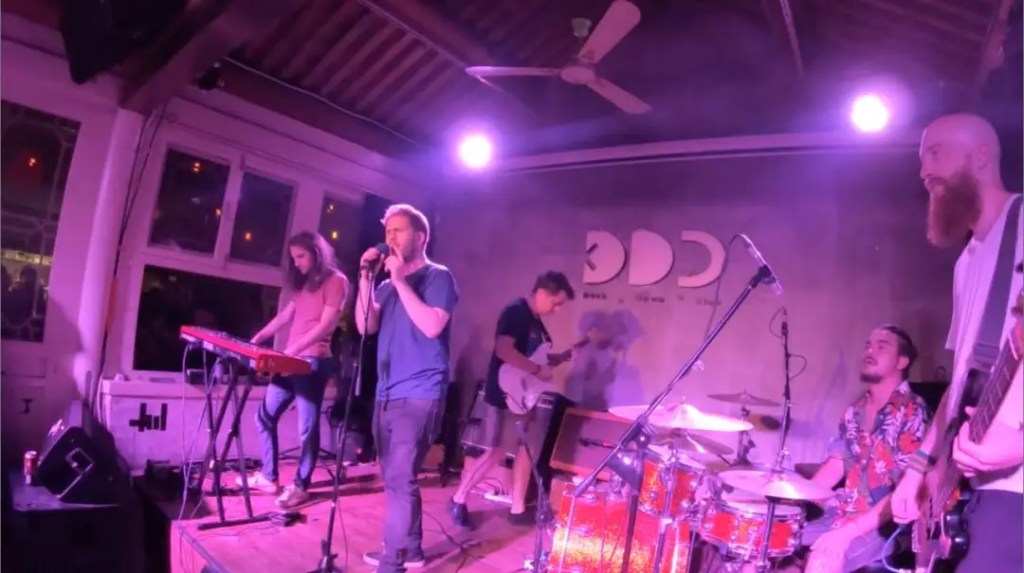
“I do think everyone can write poetry. The argument about what makes good poetry or bad poetry, what a poet should and shouldn’t do, is an endless argument. You’re going to have people on either side — saying that it should be more accessible, it should be more challenging.”
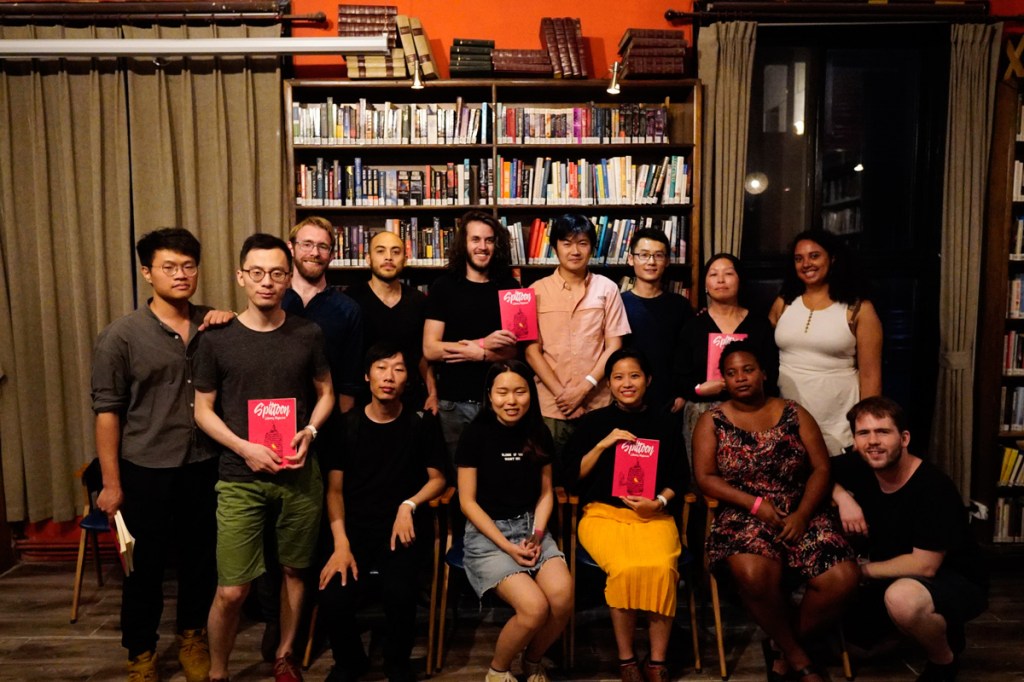
“When it translates into our events, everyone can enjoy. We have Spittoon Poetry Night, Spittoon Fiction Night, Spittoon Slam Poetry, and Poetry Workshop. People can come and read and even have their work discussed. That’s part of the fun, and why our events are successful. People feel it’s like a community. It’s compelling for them to make friends — lifelong friends. You get to see an insight into their lives, especially if they’re from different places around the world.”
On Founding Spittoon
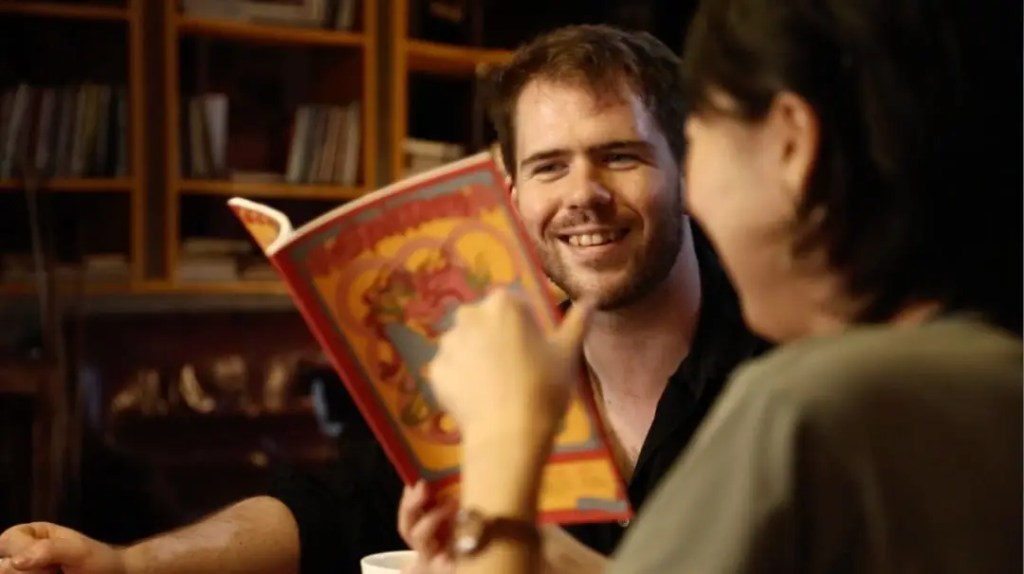
A spittoon is a receptacle for spit. The reason it’s called Spittoon is that I was at a poetry reading night and I turned to a girl and said, ‘Wouldn’t Spittoon be a great name for a poetry night?’ When I came to Beijing and wanted to start a poetry night, it was in my mind. The name carried on to all our different projects. Nothing too profound, but it sticks in the mind.”
“When I first came to Beijing, there wasn’t anything going on outside of the Bookworm Cafe that attempted to make a bridge to the Chinese literary scene. So I decided to create Spittoon as an outlet for my own poetry and my friends’ poetry. That was the beginning of it.”
The community started as a simple poetry night at a bar called Mado Bar on Baochao Hutong. The building has since been demolished. Matthew still has a brick from it.

On How Spittoon Spread
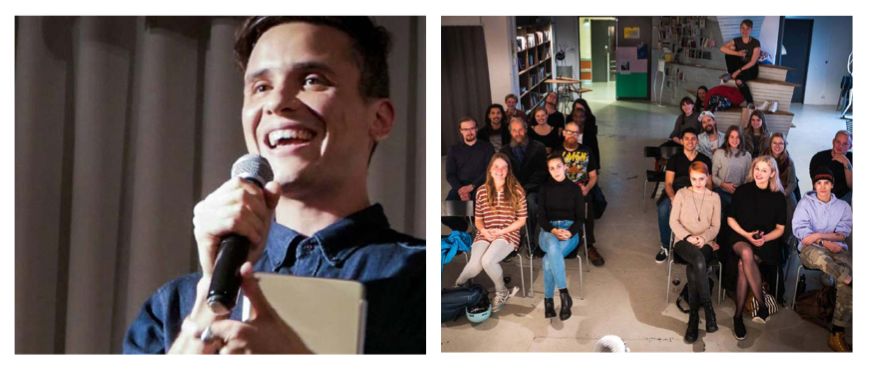
“One of the stories I heard a lot in Beijing is that it’s great to meet people from around the world, but it’s also sad as they have to leave. With Spittoon, what we began to see is that the friends we made through our community — when they returned to their home countries, they took Spittoon with them and linked back to us.”
It happened with Matias Ruiz-Tagle, formerly the fiction host for Spittoon Beijing, who moved to Gothenburg and built his own chapter there. By the time of this interview, Spittoon had branches in Chengdu, Gothenburg, and Addis Ababa — a network that grew not through planning, but through people carrying an idea home with them.
On the Magazine and CUE
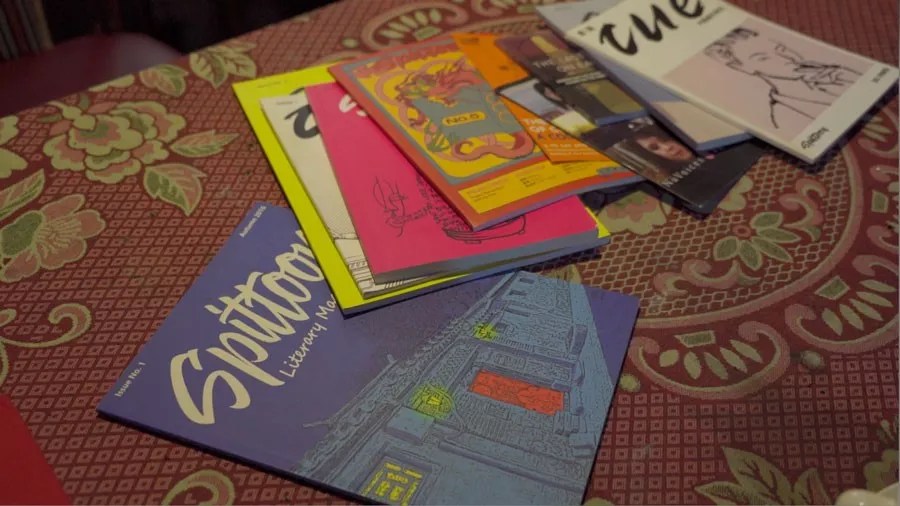
“What our connections with these collectives allow us to do is disseminate the material we’re generating here — through the Spittoon Literary Magazine and comic magazine CUE (Chinese Urban Expression) — around the world. And they can generate material specific to those places and share it with us too.”
Interview by Poppy (鲍比). Originally produced by Madness Shanghai for their WeChat channel, October 2019. Republished here with thanks.
 matthew-byrne.com
Leave a comment